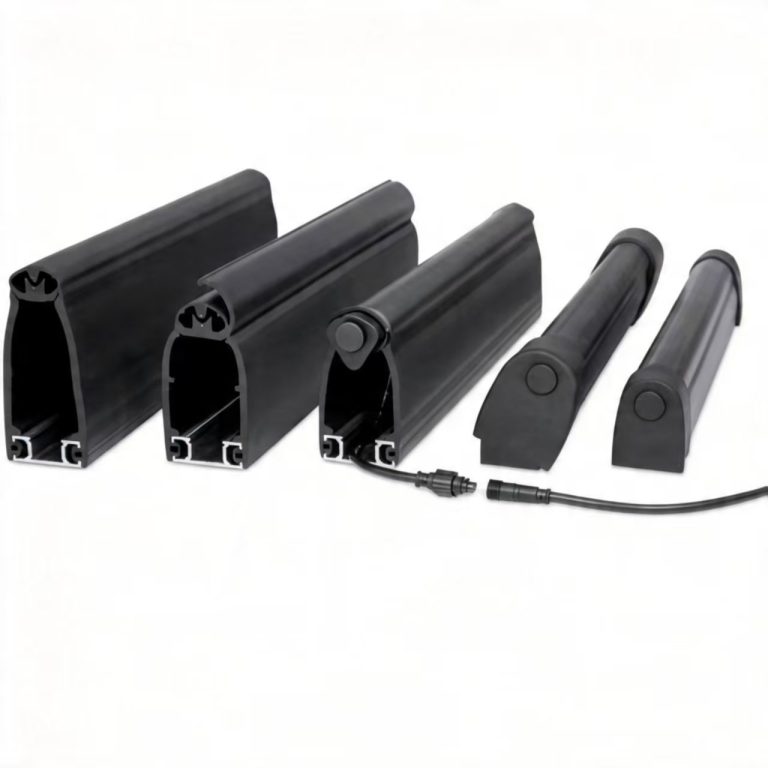
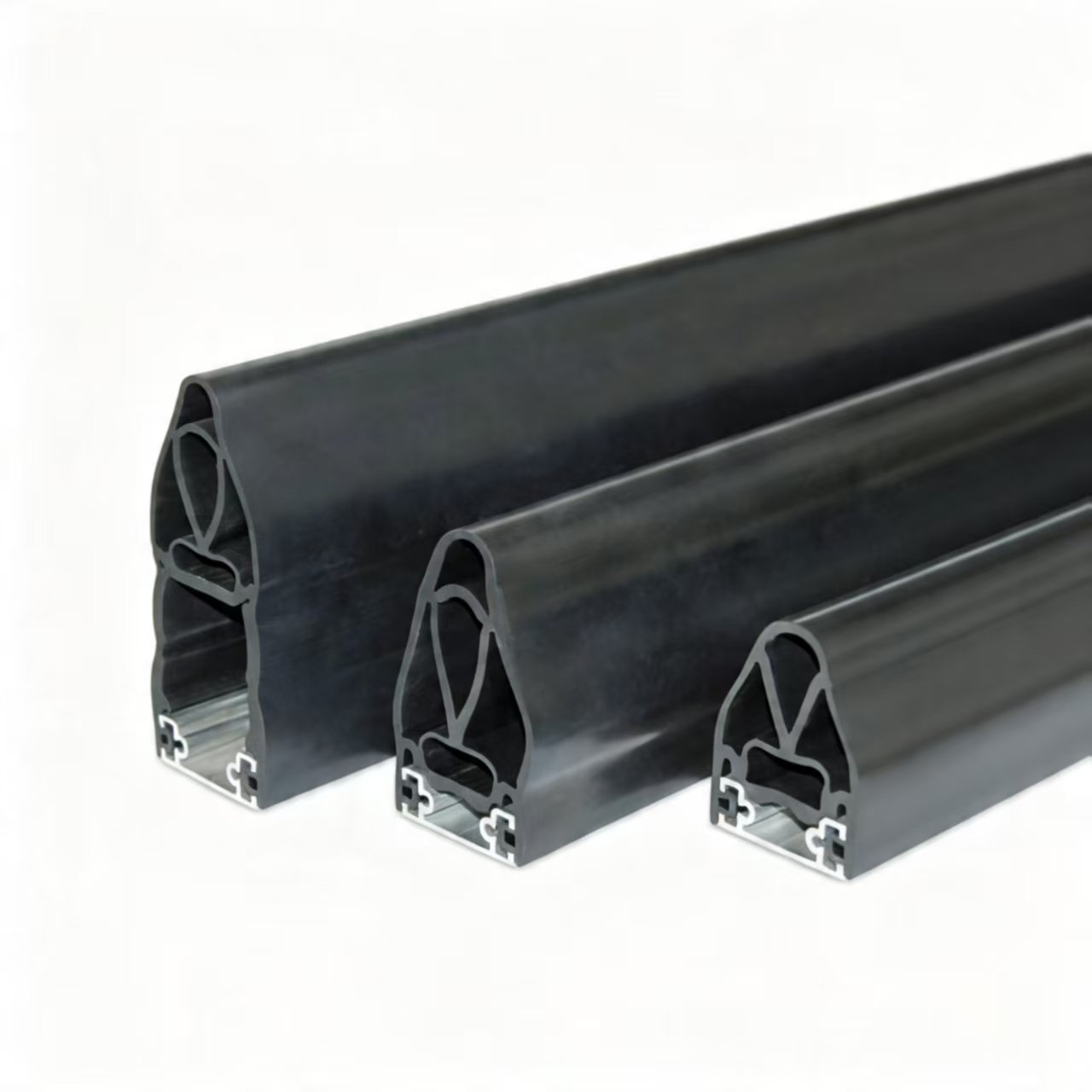
Safety edge - contact safety guards
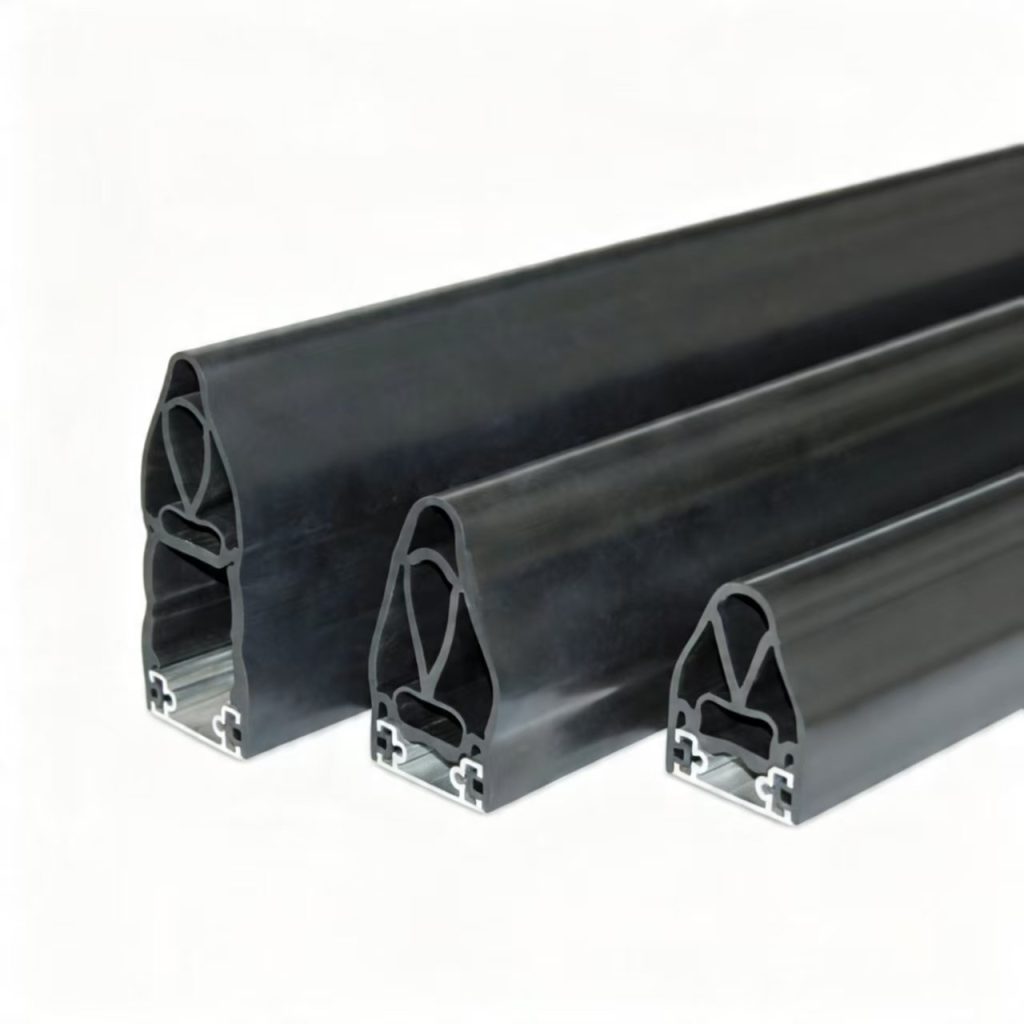
In the field of industrial automation, the Safety Edge is used as aContact safety guardsIt is mainly used for detecting the contact of personnel or objects with the edge of dangerous areas, triggering a safety signal through physical extrusion to make the equipment stop in an emergency, and is commonly used in robot workstations, automated production line edges, lifting platforms, protective gates and other scenarios. When choosing a safety contact edge, you need to consider its performance parameters, environmental adaptability, safety level and installation requirements.
Core performance parameters
1. Trigger force and trigger accuracy
- trigger force: Minimum force to trigger the safety signal when the contact edge is pinched, to be selected according to the application scenario.
- Areas with frequent human contact (e.g. robot collaboration areas): recommended optionsLow trigger force (5-20N)Avoid injuries to personnel;
- Scenes with possible object collisions (e.g. AGV edges): selectableMedium to high trigger force (20-50N), reducing false triggers.
- Trigger accuracy: Ensure that any position where the contact edge is squeezed can be reliably triggered without “blind zones”, especially the splices of long contact edges need to ensure the consistency of triggering.
2. reset mode
- automatic reset: The contact edge automatically returns to normal state after being released, suitable for temporary contact scenarios (e.g. protective door edges), without manual intervention and with high efficiency.
- manual reset: Manual operation (e.g. pressing the reset button) is required for recovery, suitable for high-risk areas (e.g. edges of stamping equipment) to prevent dangerous restarts due to misuse.
3. Electrical Characteristics
- output signal: Need to be compatible with security control systems, common types include:
- Dry contact output (NC Normally Closed / NO Normally Open): direct connection to safety relay or safety PLC, high reliability;
- Semiconductor outputs (e.g. PNP/NPN): suitable for low-power scenarios, with attention to short-circuit protection design.
- Rated Voltage / Current: Matched to the system power supply (e.g. 24V DC) and rated for safety circuit loads (typically ≤ 3A).
4. Security Levels and Certifications
- requireISO 13849-1 Performance Level (PL) andEN ISO 13856-1(standards specific to safety edges and safety buffers), selected based on a risk assessment:
- Low risk scenarios (e.g. conveyor edge): PL c or PL d;
- High risk scenarios (e.g. shearing equipment): PL e or SIL 2/3.
- Certification Requirements: Third-party certifications such as CE, UL, TÜV, etc. are required to ensure compliance with regional regulations (e.g., EU CE, North American UL).